
Alzheimer’s disease is a tough and heartbreaking condition. It slowly chips away at memory and thinking abilities, and unfortunately, there’s still no cure. Most current treatments are aimed at managing symptoms—especially behavioral changes—but they don’t really stop the disease from progressing.
Recently, though, scientists have started exploring something a little more natural: probiotics. And kefir, the tangy, fermented drink that’s packed with good bacteria, has sparked a lot of interest.
Why kefir? It turns out that gut health plays a big role in brain health. The gut and brain are constantly communicating, so when your gut is in good shape, it may help reduce inflammation and even slow the buildup of harmful proteins in the brain—two big factors in Alzheimer’s. Kefir is also rich in nutrients like B vitamins, choline, and folic acid, all of which support healthy brain function.
A systematic review published in January 2024 pulled together findings from studies on both animals and humans. The research came from major scientific databases like PubMed, Scopus, and Web of Science. In total, seven studies were included—some involving invertebrates, some with mice, and some with actual human participants.
The results were pretty encouraging. In animal studies, kefir was linked to reduced oxidative stress, less beta-amyloid buildup (a protein associated with Alzheimer’s), and protection against brain damage. In human trials, people who added kefir to their diets showed lower levels of inflammation and oxidative stress, and even experienced some improvements in memory.
While kefir isn’t a cure, and more research is definitely needed, it’s showing real potential as a helpful addition to traditional Alzheimer’s treatments. Plus, it’s a simple, natural food that supports overall gut and brain health—so it might be worth trying as part of a healthy routine.
A Little Personal Note
I started drinking kefir regularly after learning about its digestive benefits, but the more I read, the more I realized how much it could do for brain health, too. Since I witnessed firsthand my mom struggle with Alzheimer’s for 8 years, I believe it is definitely an easy ritual to maintain. I’ve even shared it with family and friends, and while it’s not a miracle fix, it feels good to offer something nourishing, simple, and supportive.
And honestly, it tastes pretty great, especially when blended into smoothies!
Easy Homemade Kefir Smoothie
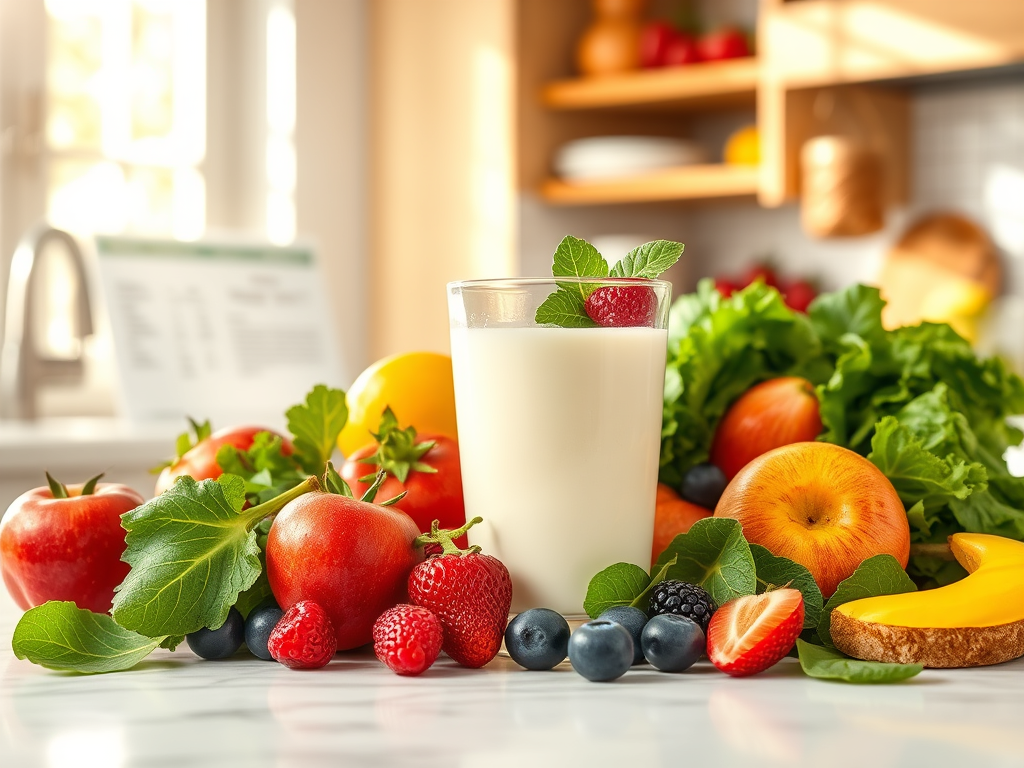
Here’s my go-to kefir smoothie recipe. It’s quick, creamy, and packed with brain-boosting goodness.
Ingredients:
-
1 cup plain kefir (homemade)
-
1 ripe banana
-
1/2 cup frozen or fresh blueberries (rich in antioxidants!)
- 1/2 cup frozen or fresh strawberries
-
1 tablespoon ground flaxseed
-
1 teaspoon honey or maple syrup (optional)
-
A pinch of cinnamon
- A teaspoon of vanilla extract
Feel free to add whatever fruit or vegetables you’d like. Change it up. You might even add collagen or protein powder.
Instructions:
-
Blend all ingredients until smooth.
-
Pour into a glass and enjoy immediately.
This makes a great breakfast or midday brain boost!
If you’re new to kefir, start slow, especially if your gut isn’t used to fermented foods. Try making your own at home with kefir grains and milk. Check out my previous post for instructions.
Have you tried kefir before? Let me know your favorite ways to enjoy it, or if you have any memory-boosting tips of your own to share.
This article is based on findings from a systematic review published in January 2024, which examined the effects of kefir on neurodegenerative diseases, including Alzheimer’s. The review included studies from databases such as PubMed, Scopus, Web of Science, Embase, and BVS, and analyzed both animal and human research related to kefir’s potential benefits for brain health.



 janetsgreenplanet
Please Leave a Reply