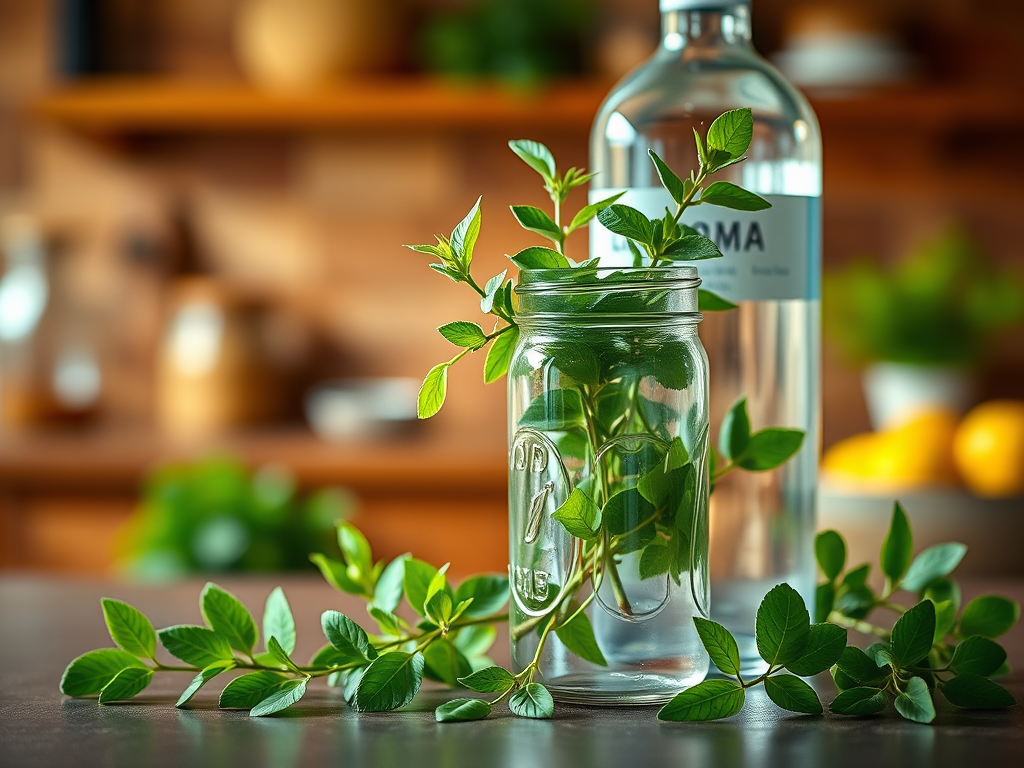
I have been growing Lemon Verbena in raised planters. I have used it to make delicious herbal teas, and wanted to make a tincture after reading the potential health benefits of lemon verbena. These include reducing inflammation, improving sleep, and aiding muscle recovery. Here is how I made mine.
You can make a lemon verbena tincture using either alcohol (solvent) or glycerine (solvent).
1. Choose your solvent:
Alcohol: High-proof food-grade ethanol (like 200 proof) is considered the most versatile solvent for tinctures, as it extracts both water and fat-soluble compounds. You can also use other spirits like vodka, gin, rum, whiskey, or brandy, typically with a minimum of 40% ABV (alcohol by volume). The alcohol percentage influences extraction strength and preservation. I chose to use Vodka.
Glycerine: This is a good option if you want to avoid alcohol, especially if making the tincture for children. It’s a polar solvent, meaning it mainly extracts water-soluble compounds. A typical glycerine tincture uses a solution of 75% glycerine and 25% distilled water.
2. Prepare the lemon verbena:
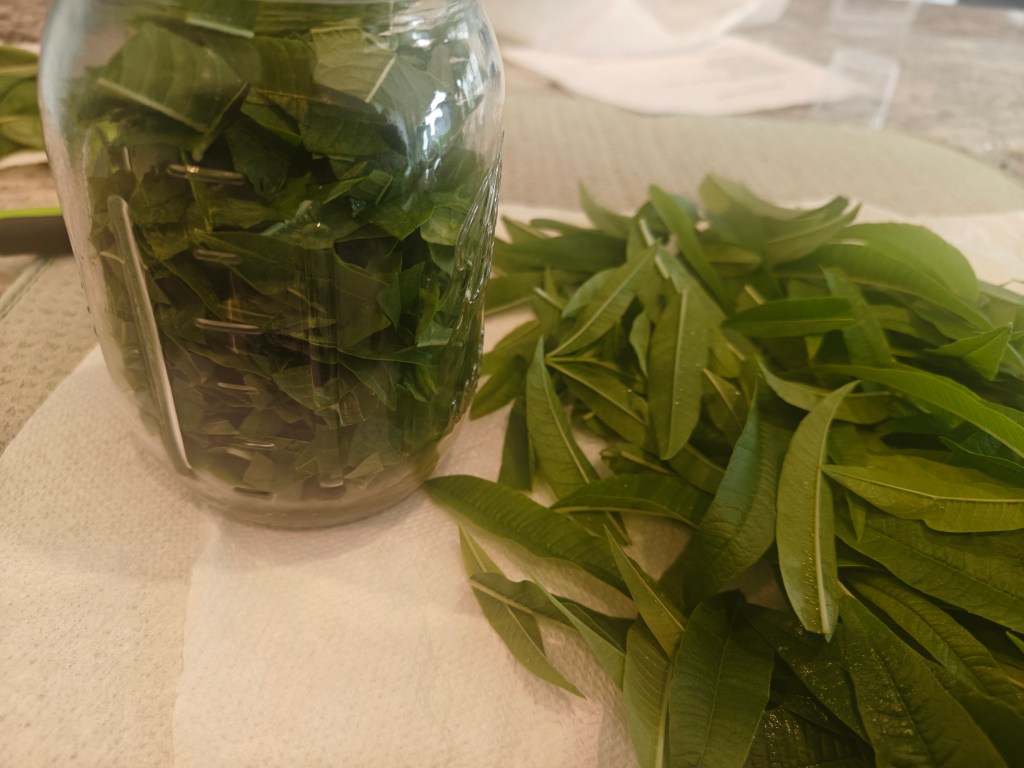
Remove leaves from stems and discard any brown spots. Bruise or cut the leaves into smaller pieces to increase surface area for extraction.
If using dried herbs, fill the jar about 1/2 – 3/4 of the way full, as they will expand when re-hydrating.
3. Maceration (the infusion process):
Place the prepared lemon verbena in a clean glass jar. Pour your chosen solvent (alcohol or glycerine/water mixture) over the herbs, ensuring they are fully submerged. Press the leaves down and add more to the top of the jar. Close the lid tightly and label the jar with the contents and date. Store in a cool, dark place for at least 30 days. Be sure to shake the jar every couple of days to help with the extraction process.
4. Straining and bottling:
After the steeping period, strain the liquid from the herbs using a small strainer or cheesecloth.
Squeeze the herb material to extract as much of the liquid as possible. Pour the strained tincture into a dark glass bottle with a dropper and label it. Store the tincture in a cool, dark place to maintain its potency and shelf life.
Important Notes:
Safety: Always use food-grade alcohol for tinctures intended for consumption. Avoid using denatured alcohol, isopropyl alcohol, or methanol.
Dosage: Clinical studies on lemon verbena tincture dosage are limited, but a suggested dose for dried herb (1:4, 40% alcohol) is 1-2 ml in water or under the tongue 2-3 times per day.
Pregnancy/Lactation: It’s best to avoid using lemon verbena tinctures if you are pregnant or nursing, as information on safety in these groups is limited.
Remember to consult with a healthcare professional before incorporating lemon verbena tincture into your routine, especially if you have any pre-existing health conditions or are taking medications.
I use ball jars to steep my tinctures like this one on Amazon.com https://amzn.to/44M3n5d
*As an Amazon Associate I earn from qualifying purchases.




 janetsgreenplanet
Please Leave a Reply