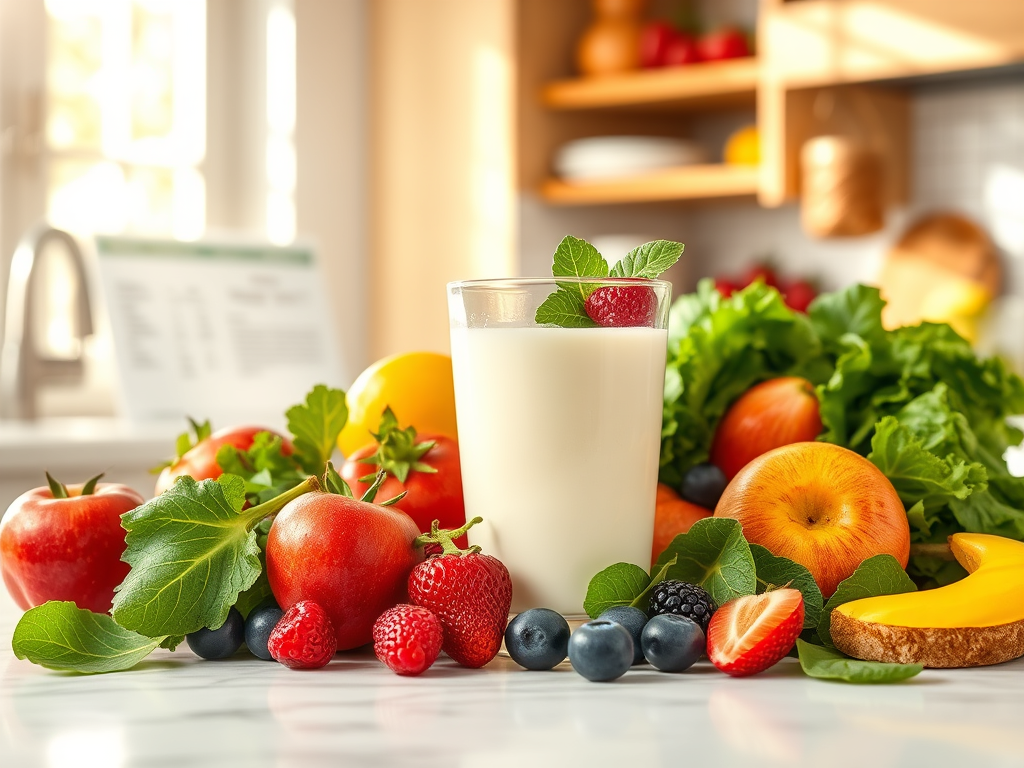
Menopause often brings with it a wave of changes—hot flashes, mood swings, disrupted sleep, and energy dips. While there’s no magic fix, certain natural remedies can offer relief. One of them? Kefir. Check out these posts for directions to make kefir and recipes: https://janetsgreenplanet.com/2025/01/19/home-made-kefir/https://janetsgreenplanet.com/2025/02/04/kefir-smoothie/
This probiotic-rich drink may do more than just support digestion. Research shows that the beneficial bacteria in kefir can influence estrogen metabolism and promote hormonal balance. A 2021 review in Nutrients highlighted how the gut microbiota—particularly strains found in fermented foods like kefir—play a role in modulating estrogen levels and reducing inflammation, both key factors in managing menopausal symptoms (Nutrients, 2021).
By supporting gut health and lowering systemic inflammation, kefir may also positively affect mood and energy. A study published in Frontiers in Psychiatry found that probiotics can improve symptoms of depression and anxiety by supporting the gut-brain axis, which is especially relevant for women dealing with mood shifts during menopause (Frontiers in Psychiatry, 2019).
In fact, anecdotal surveys report that women who include kefir in their diets often experience improved mood and fewer hot flashes—up to a 40% improvement in some cases.
Kefir and Pelvic Floor Health
Pelvic floor disorders become more common after menopause due to estrogen decline and changes in the microbiome. The vaginal and urinary tract microbiota, much like the gut, benefit from balanced levels of Lactobacillus species—some of which are found in kefir. A study in Menopause (2016) noted that probiotic intake may help restore a healthier urogenital flora and improve vaginal health, which can indirectly support pelvic floor function (Menopause, 2016).
Moreover, a 2022 review published in Maturitas suggested that improving gut and urogenital microbiota could aid in reducing urinary tract infections and improving muscle tone in the pelvic region, both important considerations for postmenopausal health (Maturitas, 2022).
Easy Ways to Add Kefir to Your Day
Thinking of giving kefir a try? Here are some delicious, no-fuss ideas for incorporating it into your routine:
-
Smoothies: Blend with fresh fruit, leafy greens, or even a scoop of protein powder for a creamy, gut-friendly drink.
-
Salad Dressings: Replace yogurt or mayo with kefir for a lighter, probiotic-packed dressing or dip.
-
Baked Goods: Use kefir in place of milk in pancakes, waffles, or muffins for a subtle tang and extra nutrition.
-
Soups: Add a swirl of kefir to warm (not boiling) soups for added creaminess and a probiotic punch.
-
Overnight Oats: Combine oats with kefir, chia seeds, and fruit for an easy, nourishing breakfast.
What to Keep in Mind
While kefir is generally well-tolerated, especially due to its lower lactose content, those with dairy sensitivities should start slowly and observe how they feel. And as always, if you have a compromised immune system or underlying health concerns, consult your healthcare provider before introducing new probiotics.
A Nourishing Companion Through Change
Kefir isn’t just a trendy health drink—it’s a centuries-old tonic that offers real support during one of life’s biggest transitions. With its ability to foster a healthy gut, balance hormones, and support pelvic floor and vaginal health, kefir may become a staple in your menopause wellness toolkit.
So why not give it a try? Sip it straight, mix it into meals, or get creative with your own kefir-inspired recipes. Your body—and your hormones—might just thank you for it.






 janetsgreenplanet
Leave a reply to Buddy Outreach Cancel reply